
Makita vs DeWalt comes down to the tools you need, the batteries you already own and the cost of a complete working kit. Neither brand is the best choice for every job. If your existing tools and batteries still do what you need, check what that platform can offer before paying to start again.
For a first cordless kit, compare specific UK models and list the next few tools you expect to buy. A good drill deal becomes less attractive if the rest of your planned kit needs a second battery system. Storage matters too: leave room for the tools with their batteries fitted, spare packs and the correct chargers.
| Your situation | A practical starting point |
|---|---|
| You already own Makita 18V LXT tools | Check whether the LXT range includes your next tools and whether your existing batteries suit them. |
| You already own DeWalt 18V XR tools | Check the XR options and the battery requirements of each proposed tool. |
| You are buying your first cordless kit | Compare a ready-to-use kit plus your next three likely purchases. |
| You need a demanding specialist tool | Choose the exact tool first, then check its platform, batteries, charger and working weight. |
| You use both brands | Keep the systems clearly separated and allow space for both sets of batteries and chargers. |
For example, someone replacing a drill for occasional household jobs has different needs from someone adding a saw used throughout the working day. Write down the material, task and expected workload before comparing torque figures, battery capacities or kit prices.
A brand name alone does not establish battery compatibility. Makita has several cordless systems, and DeWalt also sells tools with different power requirements. Read the platform name and exact model information on both the tool and battery.
| Platform | What to check |
|---|---|
| Makita CXT | A separate 12V Max system. Do not assume an 18V LXT battery will fit. |
| Makita LXT | The 18V platform includes tools that use one battery and 18V X2 tools that use two 18V batteries. Check the individual tool requirements. |
| Makita XGT | A separate 40V Max platform. Makita describes XGT as complementing LXT, so an LXT collection is not automatically obsolete. |
| DeWalt 18V XR | Check the exact tool and compatible XR batteries, including any model-specific requirements. |
| DeWalt XR FLEXVOLT | The battery system switches between 18V and 54V applications. Verify the stated battery compatibility of the tool you intend to buy. |
Use Makita’s UK battery platform guide, DeWalt’s 18V XR information and DeWalt’s XR FLEXVOLT guide to check the systems. Compatibility within one product family does not establish compatibility across every tool bearing the same brand.
Treat Makita and DeWalt batteries as separate systems. A pack that looks a similar size, or carries a similar voltage or capacity label, is not evidence that it can power the other brand’s tools. Follow the tool and charger manufacturer’s instructions rather than relying on an adaptor listing.
Start with two tools intended for the same task. Comparing an entry-level drill with a more powerful specialist model tells you little about the brands as a whole. Check that both shortlisted models have the functions your job requires.
Use current manufacturer specifications and model-specific reviews to narrow the choice. A test of one drill, or a result from an older model, cannot establish that every tool from its brand is stronger, lighter or more reliable.
A bare tool price can be useful if you already have suitable batteries and a charger. For a new system, compare the amount needed to start working and to build the kit you actually want.
Keep the comparison like for like. A body-only price and a kit with batteries, a charger and a case are different purchases. Current offers can change which individual kit gives better value, so avoid choosing a brand on one headline discount.
Amp-hours (Ah) describe battery capacity; they are not a promise of a particular runtime. The tool, workload, battery design and operating conditions affect how long a pack lasts. A 5Ah label on two different batteries does not prove identical performance in different tools.
Likewise, voltage alone does not decide which tool will do a job better. Check the specified application and the complete tool-and-battery combination. For charging, use the times published for the exact battery and charger pairing; there is no single charging time for an entire brand.
If you need continuous use, consider how a spare pack and charging routine will fit your work. Follow the manufacturer’s instructions for charging conditions, storage and damaged batteries. A printed storage holder is a passive accessory and does not charge or protect a battery electrically.
Once you have chosen a platform, organise the kit by task and keep spare batteries easy to identify. Our garage tool storage guide covers ways to combine walls, drawers and battery storage.
Measure the actual tool with its normal battery fitted. Allow space around belt clips, handles and controls, plus enough clearance to slide a battery in and out. A holder’s dimensions describe the holder itself, not the full clearance needed for a loaded installation.
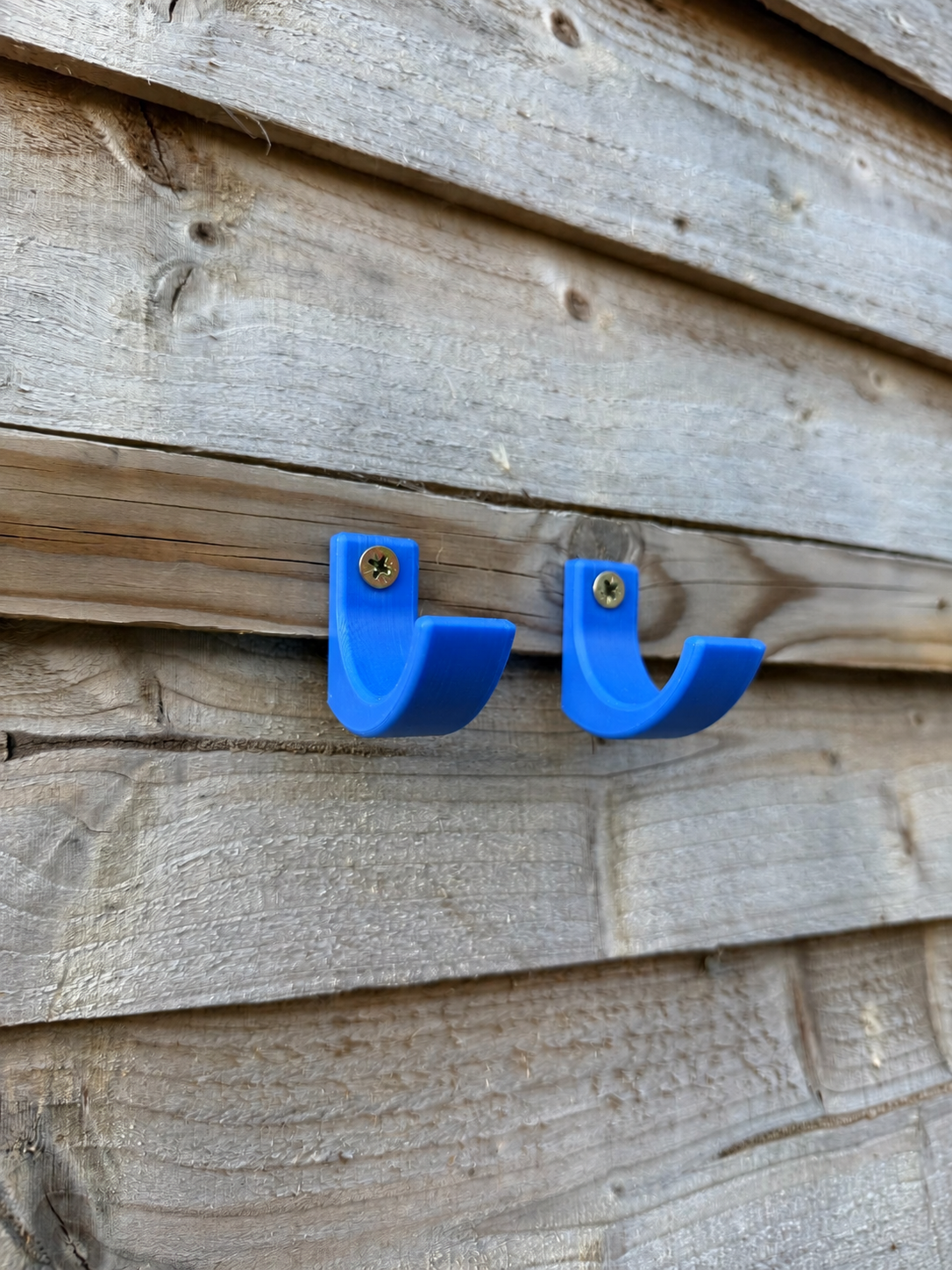
The Makita 18V Battery Wall Mount Holder stores one compatible slide battery and uses the battery’s release mechanism. Press the release before removing the pack. Check the battery casing and rails against the listing, particularly for older or third-party packs.

The holder measures 98.4 × 72.7 × 21.8mm and includes one holder, three screws and three plugs. Choose fixings suitable for your wall or panel and account for the loaded weight; the supplied plugs will not suit every surface.
Design credit: GunSmoker’s “Makita Wall Mounts / Holders for Battery and Tools (18V/14.4V LXT)” on Thingiverse, licensed under Creative Commons Attribution 4.0. The product listing records the battery-holder configuration and print-preparation changes. Layered Works prints and sells this independent accessory.
The DeWalt 18V XR 5Ah Magnetic Battery Base is intended for the battery casing pictured in its listing. Do not assume it fits every DeWalt pack, every 5Ah casing or a POWERSTACK battery.
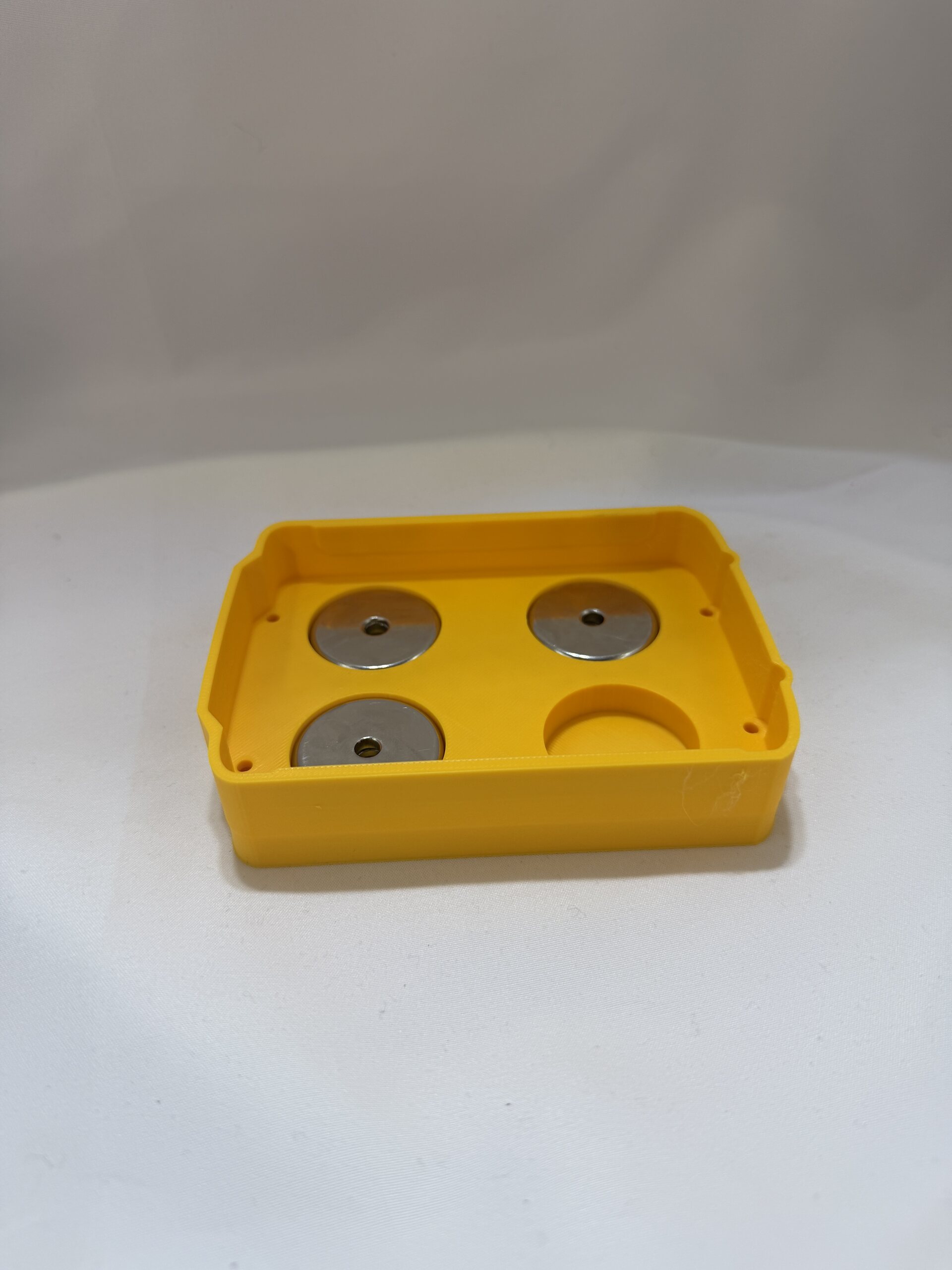
Its footprint is 85 × 118 × 25.2mm. The listing offers four- or six-magnet options using 32 × 8mm magnets, with one printed base and four screws. Batteries and tools are not included.
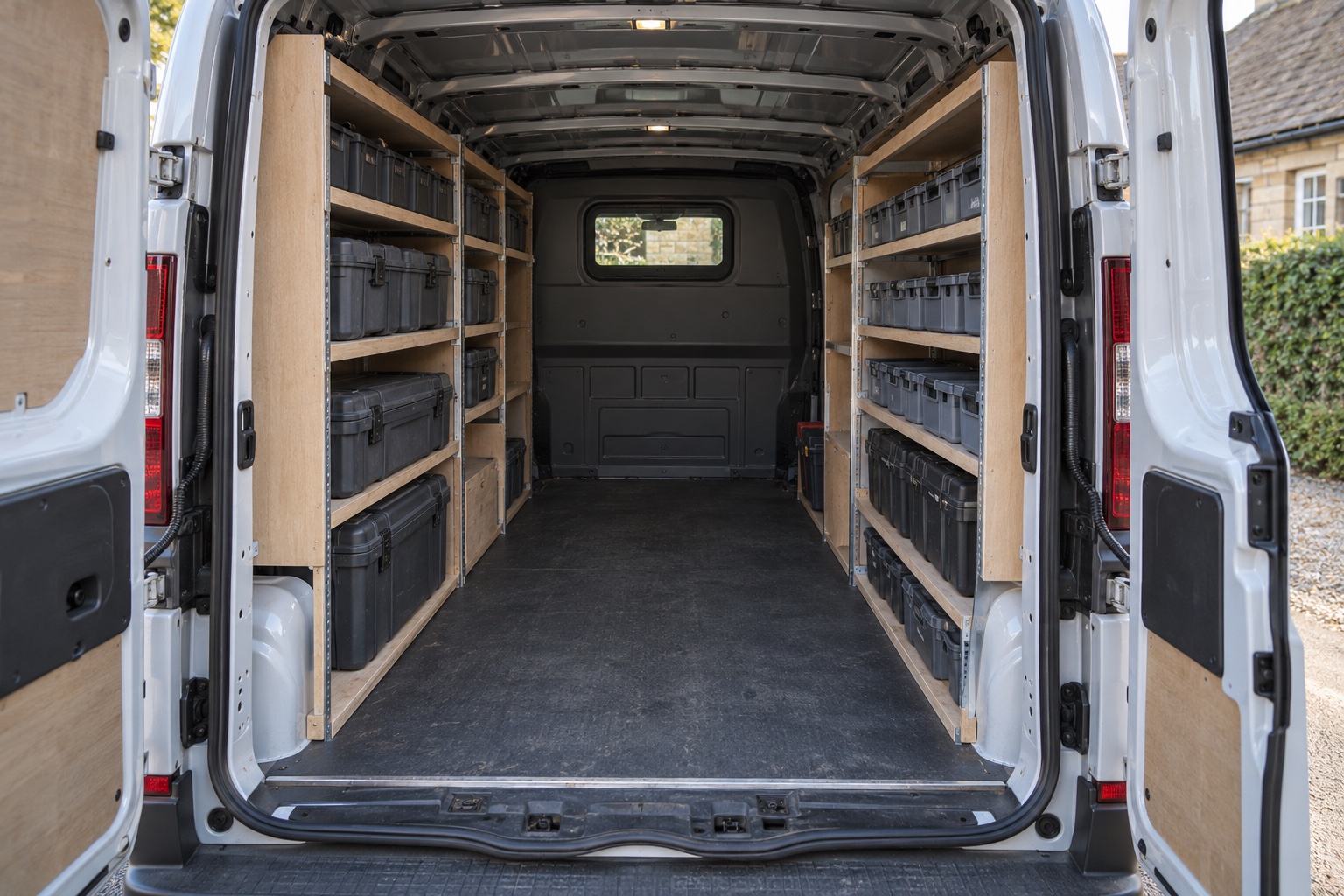
Magnetic grip depends on the steel surface, cleanliness, orientation and load. It is not a load-rated fixing or a transport restraint. Do not infer suitability for upright mounting or securing a battery while a van is moving. Check the intended placement and product guidance before choosing a magnetic base.
Both examples are independent Layered Works accessories; they are not Makita or DeWalt products or endorsements. Browse the Makita holder range and DeWalt holder range for the exact item you need, then verify its listed compatibility and included parts.
There is no useful universal winner. Compare models suited to the same task, the complete kit cost and the batteries you already own. The better choice may differ for a drill, a saw and a specialist tool.
Do not treat them as interchangeable. Use the battery and charger combinations approved for the exact tool by its manufacturer. Similar voltage and capacity labels do not establish mechanical or electrical compatibility.
Voltage alone is not enough to decide. Compare the intended task, stated capacities, battery requirements and loaded weight of the exact tools. Keep different battery platforms separate in your comparison.
Price a complete starter kit and the next tools you expect to buy, using current UK offers. Include suitable batteries, chargers and essential accessories. Existing compatible batteries can make a bare tool a more economical next purchase.
It can be if each system provides a tool you need. Allow for the extra batteries, chargers, cost and storage space. If one platform already covers your work, adding another system needs a practical reason.
Match the holder to the exact battery casing, rails and release mechanism shown in the listing. Check dimensions, loaded clearance, fixings and intended mounting method. Voltage or Ah alone is not a reliable fit guide; ask before ordering if your pack differs from the example.
Explore our battery holders alongside the Makita and DeWalt ranges. Check the individual listing before ordering, including battery fit, mounting requirements and what is supplied. If your setup needs something different, contact Layered Works with the model details and measurements; custom printed requests are subject to feasibility review.